

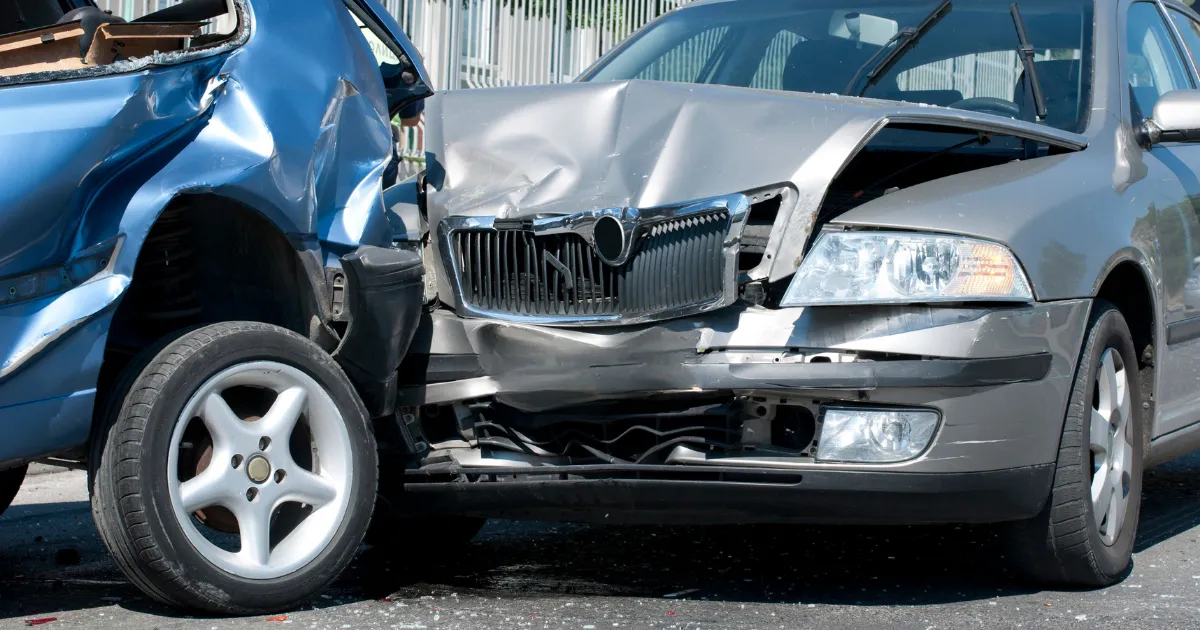
Car accidents are an unfortunate reality in New Jersey, owing to high population density, heavy commuter traffic, and negligent driving behaviors. The moments immediately following the accident can be extremely stressful and overwhelming, particularly if there are serious injuries involved. Unfortunately, the costs associated with a car accident start to accumulate very quickly, including medical bills, lost wages, and property damage. To recover the damages to which you are entitled, you will need to file a personal injury claim. However, the amount you receive depends on a range of factors, including who was at fault, the severity of your injuries, and insurance coverage. An experienced car accident lawyer will determine who caused the accident, ensure that your legal rights are protected, and negotiate the best possible settlement outcome.
Economic Damages: Medical Bills, Lost Wages, and Future Costs
In order to understand how a car accident settlement number is calculated, you need to understand the two main categories of losses that make up your total claim. Economic damages are the direct, measurable out-of-pocket losses caused by the accident. These losses generally come with clear receipts, bills, and pay stubs, which makes calculating them a fairly straightforward process. The following are examples of economic damages:
- Medical expenses. This includes emergency room visits, ambulance rides, surgeries, doctor appointments, physical therapy, prescription medication, and required medical devices.
- Future medical costs. This includes estimated costs for long-term care, future surgeries, or ongoing physical therapy if your doctor expects you to need continued treatment.
- Lost wages. This is the income you lost while taking time off from work to recover from your injuries or attend doctor appointments.
- Loss of future earning capacity. This is the long-term loss of income if your injuries prevent you from returning to your job, or working the same number of hours.
- Property damage. This is the cost to repair your vehicle, or the actual cash value if the insurance company declares it a total loss.
Non-Economic Damages: Pain and Suffering
In addition to the measurable losses, a serious car accident can have life-altering impacts that are difficult to quantify. Non-economic damages are harder to calculate, since there are no receipts for these losses. However, they are often the largest portion of a personal injury settlement. The following are examples of non-economic damages:
- Pain and suffering. This is the physical discomfort and chronic pain caused by the injuries.
- Emotional distress. This is the anxiety, depression, sleep disturbances, or post-traumatic stress triggered by the car accident.
- Loss of enjoyment of life. This is the inability to participate in quality time with family activities, sports, hobbies, or other activities that you used to enjoy.
- Permanent disability or disfigurement. This is the lasting physical scarring, loss of a limb, or permanent loss of bodily function resulting from the accident.
How Do Insurers Estimate Pain and Suffering?
Since there is no standard receipt for emotional distress or physical pain, insurance companies use the following formulas to come up with a settlement amount. Knowing how these formulas work can help you determine whether the insurance company’s settlement offer is fair.
- Method 1: The Multiplier Method. This is the method most commonly used to calculate pain and suffering. Insurance adjusters add up all of your economic medical expenses and multiply that total amount by a specific multiplier, between 1.5 and 5, based on the severity of your injuries.
– 1.5 to 2. Minor, temporary injuries such as soft-tissue sprains, minor whiplash, or brief bruising that generally heal within a few weeks or months.
– 3 to 4. Moderate to severe injuries like broken bones, herniated discs, or injuries that require surgery. These injuries require long treatment and can significantly disrupt your daily life.
– 5 or higher. Devastating injuries that permanently alter your quality of life, including traumatic brain injuries (TBIs), paralysis, and severe disfigurement.
For example, if you suffered a fractured arm injury, and your medical bills total $15,000 as a result of a minor surgery and a long recovery in a cast, the insurance adjuster may use a multiplier of 3, which means that your pain and suffering damages would be $45,000 ($15,000 x 3). If your pain and suffering are $45,000, medical bills are $15,000, and lost wages $5,000, your total damages would be $65,000.
- Method 2: The Per Diem (Per Day) Method. With this method, a daily rate is assigned to your suffering. Oftentimes, the daily rate is equal to your regular daily wage. That daily rate is multiplied by the exact number of days you were in pain or undergoing medical treatment until you reach full medical recovery.
How Comparative Negligence Can Reduce Your Award
New Jersey uses the comparative negligence rule, which states that you may recover damages if you were found 50% or less at fault for causing the accident. However, your total damages will be reduced by the percentage of negligence assigned to you. For example, if the total damages are calculated at $100,000, and you are found to be 20% at fault for the accident, your total damages will likely be reduced by 20%, leaving you with $80,000. Keep in mind that if you are found 51% or more at fault, you are prohibited from recovering any damages.
When both drivers contributed to the car accident, the question of fault becomes complicated. Insurance companies will closely examine police reports, photographs, vehicle damage, witness statements, road conditions, and other evidence to assign percentages of fault and avoid paying large settlements.
Why Early Insurance Offers Are Usually Too Low
When an insurance company makes an initial settlement offer, it rarely reflects what your claim is worth. Even if it seems like a large sum of money, it is generally not in your best interest to accept an early offer. Insurance companies present modest offers for a number of reasons, including the following:
- Your medical treatment may not be finished. If you are still being treated by your doctor, attending physical therapy, or waiting to learn whether you will need future treatment, the insurer will not have a complete picture of your medical expenses.
- The insurer may be making a quick assessment. Initial settlement offers are based on the information the insurance company has at that moment. It does not include ongoing issues.
- New Jersey’s personal injury protection (PIP) system can make the claims process confusing. New Jersey is a no-fault state for medical expenses, which means that PIP generally pays medical costs, regardless of who was at fault for causing the accident. A bodily injury settlement is a separate issue that involves compensation from the at-fault driver’s liability coverage.
- The insurance company may question the severity of the injury. Insurance adjusters will look for gaps in treatment, pre-existing conditions, delayed medical care, or whether the medical records clearly connect the injury to the car accident.
- Policy limits can put a ceiling in the claim. Even if your injuries are serious, the amount of liability insurance available can impact the damages you are able to recover. Standard insurance policies have different bodily injury limits, whereas some basic policies offer significantly less protection.
Frequently Asked Questions
How does insurance coverage affect car accident settlements in New Jersey?
New Jersey motorists have different policy options, including limited and standard policies. The available insurance coverage can have a significant impact on the financial compensation that may be recovered. Uninsured or underinsured motorist coverage can also affect a car accident claim.
Are lost wages included in a car accident settlement in New Jersey?
If your injuries prevent you from being able to return to work, you may be able to seek compensation for lost income. To recover those damages, you will need to provide documentation, including pay records, tax information, employer statements, and other documents that support your claim.
Why do insurance companies offer less than what my claim is worth?
Insurance companies’ goal is to resolve the claim for as little money as possible. They will question the severity of your injuries, argue that you were more than 50% at fault, or that your injury was due to a pre-existing condition. An initial offer rarely represents the full value of the claim.
How long does it take to settle a car accident claim in New Jersey?
It depends on whether the claim is straightforward or involves serious injuries, disputed fault, or settlement negotiations. An experienced car accident lawyer will guide you through the claims process and ensure that you recover the damages for which you are entitled as quickly as possible.
South Jersey Car Accident Lawyers at Kitrick & Wells, LLC, Pursue Maximum Compensation for Car Accident Victims
If you were seriously injured in a motor vehicle accident, do not hesitate to contact the South Jersey car accident lawyers at Kitrick & Wells, LLC. We will address any questions you may have about how your settlement is calculated, ensure that your legal rights are protected, and negotiate the best possible settlement outcome you deserve. To schedule a free personal injury consultation, call us today at 732-920-8383 or contact us online. Located in Manasquan and Brick, New Jersey, we serve clients throughout the state.