
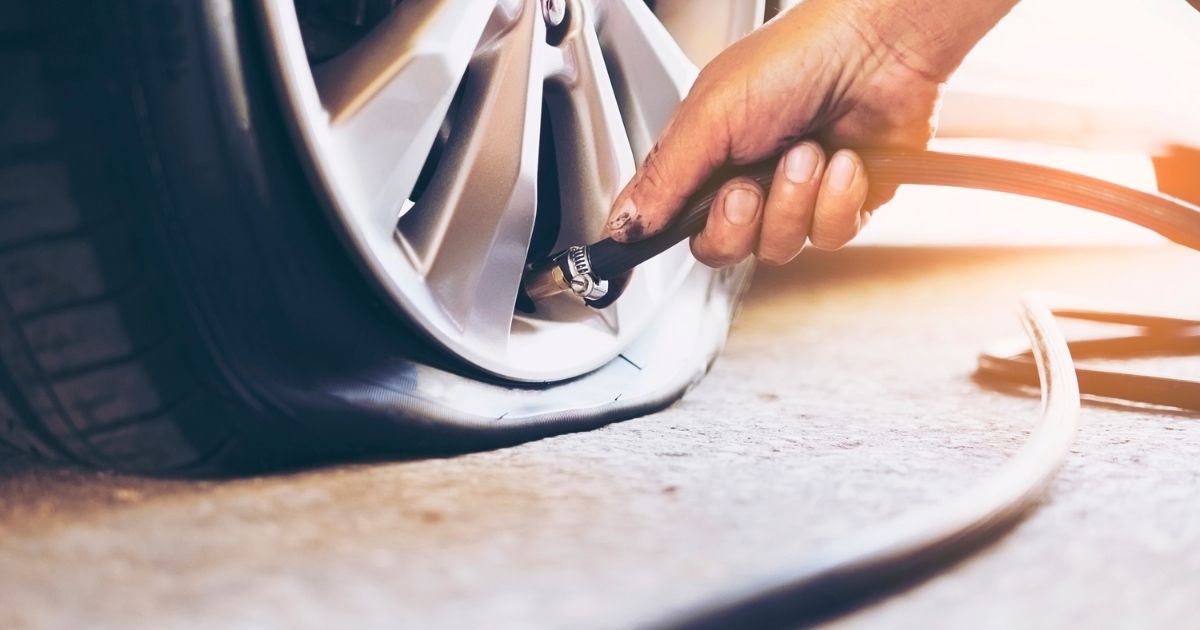
Tire pressure plays an essential role in vehicle performance and safety, yet many drivers neglect to check it often enough. Underinflated tires can alter how a car responds to steering, braking, and road conditions, often without the driver’s immediate awareness. This can increase the likelihood of car accidents, particularly in high-speed situations or poor weather.
How Does Low Tire Pressure Affect Handling?
Reduced tire pressure increases the surface area in contact with the road, which raises friction. This added resistance can make steering less precise and affect how the vehicle responds during turns. Handling becomes less predictable, especially in emergency maneuvers.
Does Low Tire Pressure Make Stopping More Difficult?
Yes. A tire with reduced air pressure can increase stopping distance because the tire’s shape changes and rolling resistance grows. This can delay braking response and make it harder to avoid a collision when sudden stopping is required.
Why Do Underinflated Tires Generate More Heat?
Tires that are not properly inflated flex more with each rotation. The extra flexing creates heat buildup, which can weaken the tire’s structure over time. In severe cases, this can cause a “blowout,” particularly at high speeds. That can easily cause drivers to lose control and cause serious crashes.
Are Certain Road Conditions More Hazardous With Low Tire Pressure?
Slippery, icy, or wet surfaces can be more dangerous when tire pressure is too low because reduced traction makes it harder to maintain control. Loose gravel, potholes, or uneven pavement can also increase the risk of losing control when tires are not properly inflated.
How Can Drivers Identify Underinflated Tires?
Some vehicles have monitoring systems that alert the driver when tire pressure drops below recommended levels. Without those systems, regular checks with a tire gauge are important. Drivers can also watch for visual signs such as sagging or uneven wear.
What Are the Long-Term Dangers of Driving With Underinflated Tires?
Consistently low tire pressure can lead to uneven tread wear and internal damage to the tire’s components. This raises the likelihood of failure and also reduces fuel efficiency, increasing costs over time.
Does Weather Affect Tire Pressure?
Temperature changes can impact air pressure inside tires. Colder weather typically causes a drop in pressure, which can be significant during seasonal transitions. In hot weather, pressure can rise, increasing the risk of a blowout if the tires are already damaged or overinflated.
Why Is Tire Maintenance Important for Accident Prevention?
Inspecting tires regularly helps identify low pressure before it creates safety concerns. Maintaining correct pressure and checking tread condition can improve performance and reduce the chance of tire-related incidents.
Can Tire Pressure Influence Liability in a Collision?
Yes. If an investigation finds that improper tire maintenance contributed to an accident, it can be considered in determining liability. Drivers are expected to keep their vehicles in a safe operating condition, and failure to do so may be seen as negligence.
Could Driving on Underinflated Tires Be Considered Negligence?
Yes. If a driver is aware, or should have been aware, that their tires were underinflated and an accident occurs, it may be argued that they failed to take reasonable care. Courts may consider whether regular maintenance was performed and if the driver ignored warning indicators. Evidence like inspection records or witness statements may be used to support or challenge a negligence claim.
Let Our Atlantic County Car Accident Lawyers at Kitrick, McWeeney & Wells, LLC Pursue Compensation for Your Damages
If you need experienced legal advice after a motor vehicle crash, contact our Atlantic County car accident lawyers at Kitrick, McWeeney & Wells, LLC. For a free consultation, call today at 732-920-8383 or contact us online. With office locations in Manasquan and Brick, New Jersey, we proudly serve clients across New Jersey.