
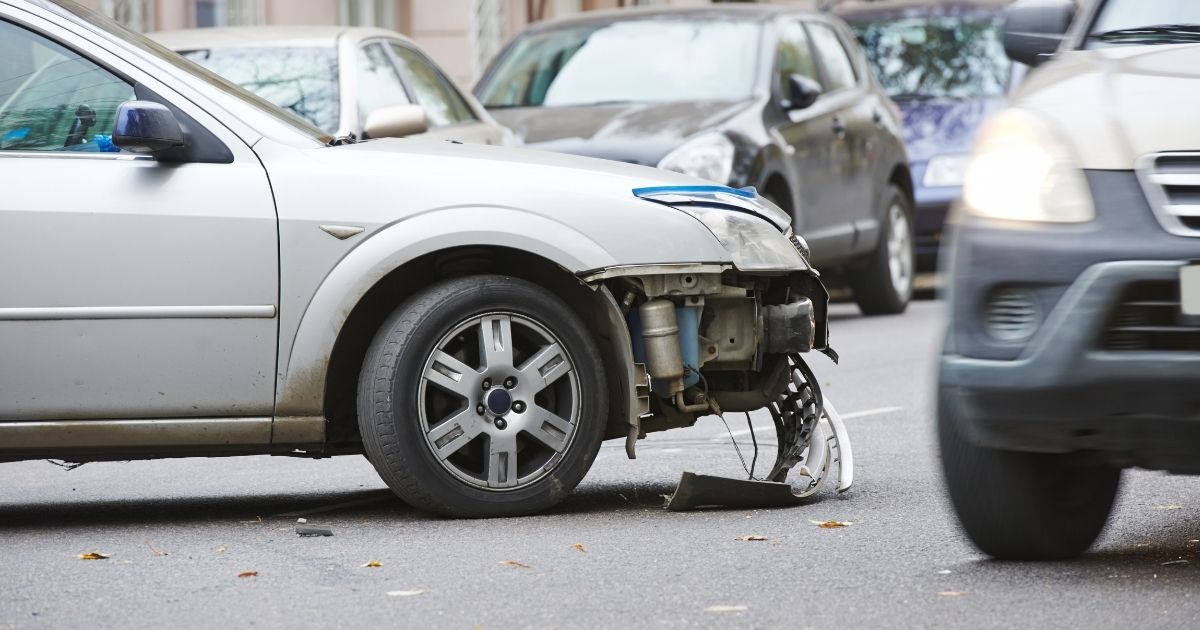
The growth of smart home technology has reached far beyond interior security. Devices like Ring doorbells and other home surveillance systems now routinely capture footage of the streets in front of homes. As these cameras become more common, their role in car accident claims has expanded.
How Can Home Camera Footage Affect Car Accident Cases?
A Ring doorbell camera positioned at the right angle might capture the moments leading up to and during the crash. This unbiased footage can determine which driver had the right of way, whether speeding occurred, or if one party ran a stop sign or traffic light. This kind of video evidence may carry more weight than statements from those involved, especially if their accounts differ. In disputed cases, video evidence can support liability determinations, offering a visual record that can clarify how the crash unfolded.
Is Ring Doorbell Footage Legally Admissible?
In many cases, yes. Footage from a home camera can be introduced in a legal claim or court proceeding as long as it was lawfully obtained. Because these cameras are typically placed on private property, they often record activity on streets, sidewalks, and driveways. That is generally permitted under privacy laws, as there is no reasonable expectation of privacy in public view. However, the video must be relevant and authentic.
The party submitting the footage must show that it accurately represents what happened. This may involve testimony from the homeowner or someone familiar with the system who can explain how it works and confirm that the footage was not altered.
Who Owns the Footage and How Is It Obtained?
The homeowner or resident who owns the device has control over the footage. In most cases, individuals involved in an accident will need to request access to the video. This may require direct communication with the property owner or a formal request through legal counsel. If the homeowner does not voluntarily share the footage, a lawyer may be able to subpoena the video as part of the discovery process.
Can This Footage Impact Insurance Claims?
Yes. Insurance adjusters often rely on statements and physical evidence such as damage assessments and police reports. Video recordings can add another layer of proof, which may influence how an insurer determines fault. A clear recording of the incident can support or contradict a party’s account and affect how much compensation is paid for vehicle damage, medical bills, and other losses.
Insurance companies may accept this type of footage as part of their investigation, but they may also evaluate its relevance and clarity. If the video is blurry, obstructed, or does not capture the full event, it may carry less influence.
Are There Limitations to Using Ring Footage?
While home camera footage can be powerful, it is not always available or useful. Many cameras have motion sensors that only activate when movement is detected within a specific range. If a crash occurs just outside that range, it may not be recorded. Poor lighting conditions, weather interference, or physical obstructions can also reduce the quality of the video.
Additionally, privacy concerns may arise if the footage captures individuals in a way that oversteps legal boundaries. Courts and insurance companies may limit the use of video that invades private spaces or was obtained in a questionable manner.
Prompt action is important, since some doorbell systems overwrite recordings after a short period of time unless the footage is saved. If video evidence is available, it may support a claimant’s account and affect the overall outcome of the case.
Contact Our South Jersey Car Accident Lawyers at Kitrick, McWeeney & Wells, LLC
Our skilled South Jersey car accident lawyers at Kitrick, McWeeney & Wells, LLC leverage the evolving role of technology in traffic-related claims and can gather and present all relevant evidence for your case. For an initial consultation, call our Manasquan and Brick, New Jersey offices at 732-920-8383 or contact us online. We proudly serve clients across New Jersey.