
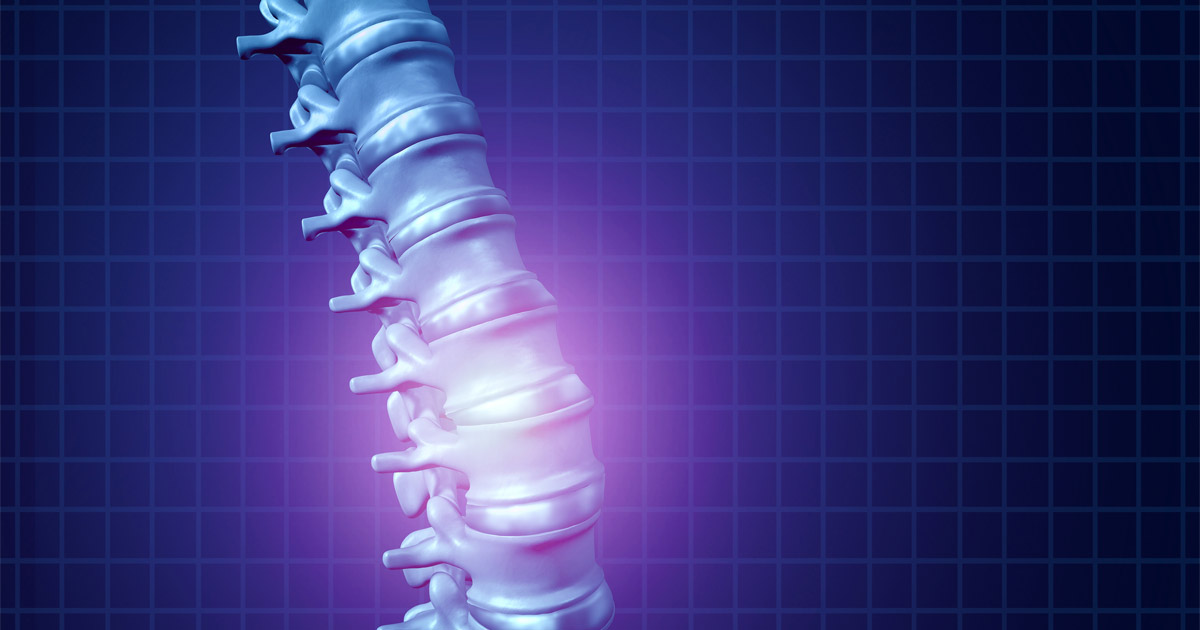
When vehicles crash, the human spine can absorb tremendous force that can damage the delicate nerve pathways running through it. These injuries range from temporary pain to permanent paralysis, depending on the location and severity of impact. Families facing these situations often grapple with mounting medical bills, lengthy rehabilitation, and uncertainty about what comes next. Recognizing the types of spinal cord injuries that frequently occur in car accidents helps people identify symptoms early and seek proper medical attention.
What Is a Complete Spinal Cord Injury?
A “complete spinal cord injury” means total damage occurred at a specific point, resulting in loss of all feeling and movement below that level. When this happens in the thoracic or lumbar region, people lose leg function and sensation. Cervical damage often affects both arms and legs, causing quadriplegia. Function below the injury site rarely returns with complete injuries, making them the most severe type.
What Is an Incomplete Spinal Cord Injury?
An “incomplete injury” occurs when some nerve pathways remain functional after trauma, allowing limited sensation or movement below the affected area. The remaining function varies widely—some people retain slight movement while others keep more significant abilities. Physical therapy can sometimes improve function over time because working nerve connections still exist, offering more hope for recovery than complete injuries.
How Does Whiplash Affect the Spine?
“Whiplash” develops when the head snaps forward and backward rapidly during a collision, straining soft tissues and ligaments in the neck. This sudden movement can damage cervical vertebrae, causing pain, stiffness, and reduced mobility lasting weeks or months. Severe cases may lead to herniated discs or nerve compression; the symptoms sometimes appear days after the crash rather than immediately.
What Are Compression Fractures?
“Compression fractures” happen when vertebrae collapse or crack under extreme pressure, commonly affecting the thoracic and lumbar regions during high-speed collisions. Impact force squeezes spinal bones, causing them to break or compress into wedge shapes. Bone fragments may press against nerves or cause vertebrae to shift out of alignment, potentially damaging the spinal cord and requiring bracing, medication, or surgery.
Can Herniated Discs Result From Car Accidents?
“Herniated discs” develop when soft cushioning between vertebrae ruptures or bulges out of place, pressing on nearby nerves. Sudden crash forces can tear or displace these discs, particularly in the neck and lower back, where the spine flexes most. This often causes shooting pain, numbness, or weakness in the arms or legs. Treatment ranges from physical therapy to surgical intervention.
What Is Central Cord Syndrome?
“Central cord syndrome” damages the center of the spinal cord, affecting the arms more severely than the legs. This condition typically occurs in rear-end collisions where the neck extends and flexes violently, especially in older adults with pre-existing spinal stenosis. Patients may regain leg function while experiencing lasting arm and hand weakness. Early medical intervention and rehabilitation improve outcomes, though recovery remains unpredictable.
How Do Seatbelts Cause Spinal Injuries?
Seatbelts save lives, yet can cause specific injuries during severe crashes when the body is restrained against the belt with tremendous force. Lap belts may create “Chance” fractures (named after British radiologist G.Q. Chance) in the lumbar spine, where vertebrae break horizontally. Shoulder belts sometimes contribute to cervical injuries as the head whips forward despite chest restraint, proving that even safety devices cannot prevent all harm.
Speak With Our South Jersey Car Accident Lawyers at Kitrick, McWeeney & Wells, LLC if You Need to File a Spinal Cord Injury Claim
If you or a loved one suffered a spinal cord injury in a motor vehicle crash, contact our South Jersey car accident lawyers at Kitrick, McWeeney & Wells, LLC. For a free consultation, call today at 732-920-8383 or contact us online. With office locations in Manasquan and Brick, New Jersey, we proudly serve clients throughout the state.