
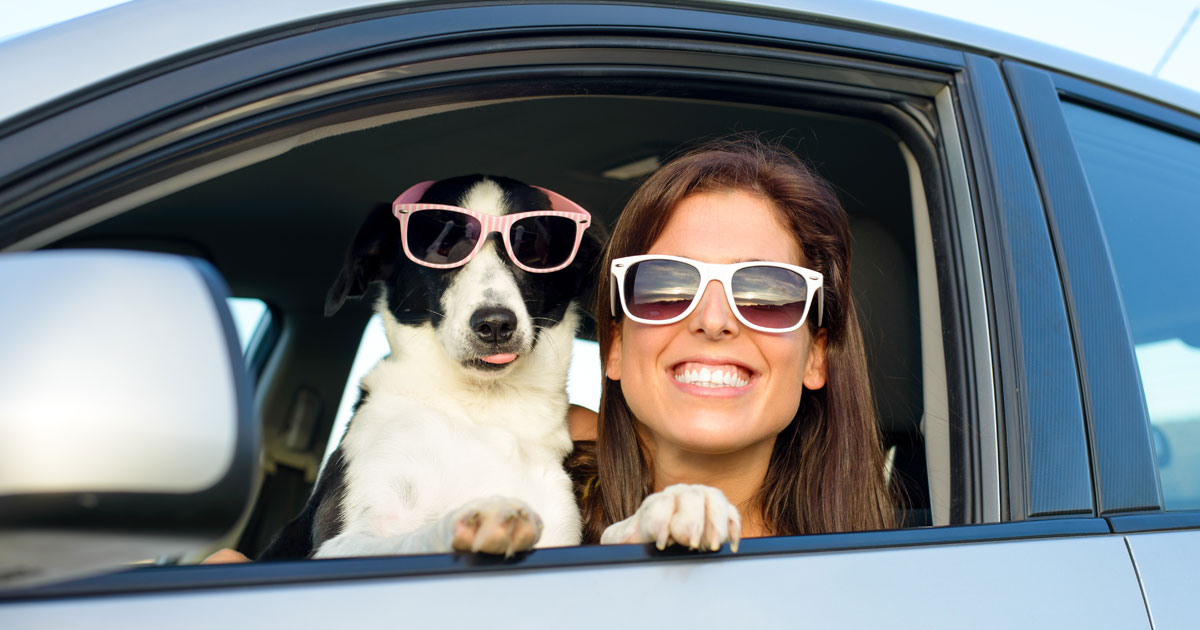
Pet ownership has steadily increased in the United States, with more households welcoming animals as part of their daily lives. This shift means more pets are being transported in vehicles than ever before. While many drivers may feel comfortable having their furry companions in the car, the presence of pets can create serious distractions behind the wheel. Even the most affectionate animals can unknowingly contribute to unsafe driving behavior when not properly restrained.
Why Are Pets a Distraction While Driving?
Animals move unpredictably and demand attention at inopportune times. A pet that whines, barks, or paws at a driver may break concentration or prompt the driver to take their hands off the wheel. Some animals, especially dogs, have been known to attempt to climb into the front seat or even interfere with pedals or gear shifts. These behaviors, while often unintentional, can pull a driver’s focus away from the road for seconds at a time. Even brief moments of distraction can lead to significant consequences, especially in high-traffic areas or at high speeds.
What Does the Law Say About Driving With Pets?
Most states do not have specific laws prohibiting pets from being in the car, but several have regulations related to distracted driving. If a pet causes a distraction that leads to reckless or inattentive driving, a driver may be cited under general traffic laws.
In some jurisdictions, transporting a pet without proper restraint may lead to penalties, especially if a car accident occurs. Drivers may also face liability if an unrestrained animal contributes to a collision or if its presence causes harm to another person or vehicle.
How Can Pets Contribute to Rear-End or Sideswipe Collisions?
Sudden movements by an animal may startle a driver or cause them to react impulsively. Swerving to avoid a cat that has climbed into the front seat or slamming on the brakes to calm a barking animal can lead to rear-end collisions. Sideswipe crashes can occur if a driver’s attention is pulled away and the vehicle drifts out of its lane. These types of accidents may appear minor but can result in serious injuries, property damage, and legal claims.
Can Drivers Be Held Responsible if Their Pet Caused a Distraction?
Yes, drivers may be held legally responsible if their animal played a role in causing a crash: Liability can be claimed if the pet interfered with the driver’s ability to operate the vehicle and contributed to the accident. In these cases, injured parties may pursue compensation for injuries or damage. Insurance companies may also investigate the role of the pet when assessing fault and evaluating claims. This may influence the outcome of a personal injury case or a property damage settlement.
What Should I Do if I Was Injured by a Driver Distracted by Their Pet?
If you were injured in a collision and believe the other driver was distracted by a pet in their vehicle, you may have grounds to pursue a personal injury claim. It is important to gather as much evidence as possible from the scene, including photos, witness statements, and any mention of the pet’s behavior. You should also seek medical attention promptly and document your injuries and treatment.
Reporting the incident to law enforcement can help create an official record, especially if the pet was a contributing factor in the crash. The Toms River car accident lawyers can evaluate the details of the case, identify potential liability, and help you pursue compensation for medical bills, lost income, and other damages.
Our Skilled Toms River Car Accident Lawyers at Kitrick, McWeeney & Wells, LLC Can Explain Your Legal Rights if You Suffered Injuries While Driving With Your Pet
The Toms River car accident lawyers at Kitrick, McWeeney & Wells, LLC have considerable experience with pet-related car accident cases and can help you pursue fair compensation for your damages. For a free consultation, contact us online or call our Manasquan and Brick, New Jersey offices at 732-920-8383. We proudly serve clients across New Jersey.