

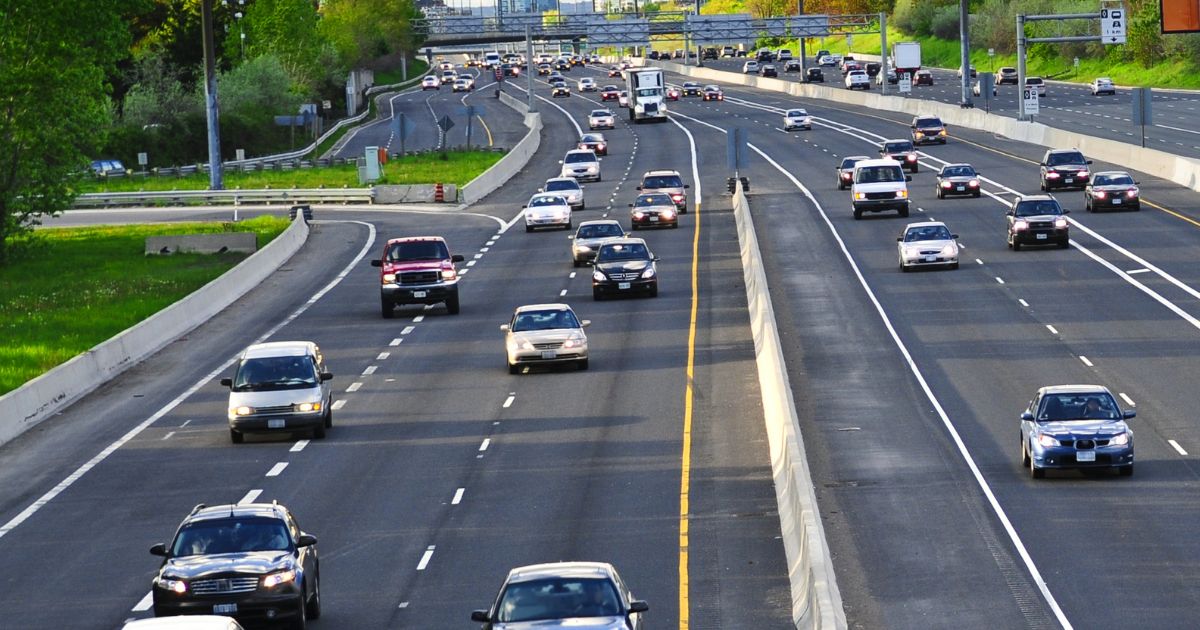
The average driver enters a highway without thinking much about safety, even though highway driving is inherently more dangerous compared to local roads. Higher speeds, frequent lane changes, and heavy traffic require drivers to remain vigilant and adopt consistent driving habits. While car accidents still happen, careful attention to speed, distance, and road conditions contributes to safer journeys. Below, we share useful insights that help drivers stay safer on highways.
What Is the Recommended Speed on Highways?
The recommended speed on highways varies by state and road type, usually between 55 and 65 mph in the U.S. Drivers should reduce their speed below the limit when traffic, weather, or road conditions make higher speeds unsafe. Maintaining a steady speed that matches traffic flow while staying alert is key to safe highway driving.
How Should Drivers Maintain a Safe Following Distance?
Maintaining adequate distance between vehicles allows time to respond to sudden stops or emergencies. Drivers should follow the “three-second rule” as a minimum under normal conditions, increasing distance when roads are wet, visibility is limited, or when driving a larger vehicle. A proper following distance can prevent rear-end collisions and provide space for evasive maneuvers.
When Should Drivers Change Lanes on Highways?
Lane changes should be deliberate and signaled in advance, as drivers must check mirrors, blind spots, and surrounding traffic before initiating a change. Avoiding sudden movements that could surprise other motorists is also critical. Smooth lane transitions reduce the risk of side-impact collisions and help maintain orderly traffic flow.
How Can Drivers Handle Highway Merges Safely?
Merging onto a highway requires matching the speed of existing traffic while finding an adequate gap. Drivers should accelerate to merge efficiently and use mirrors and signals to communicate intentions. Yielding appropriately to vehicles already on the highway minimizes the risk of collisions during the merging process, especially when there is a traffic signal or yield sign.
What Are the Best Practices for Highway Intersections and Exits?
Approaching exits and intersections also demands advanced preparation. Drivers should move into the appropriate lane well before the exit and reduce their speed gradually. Observing signs, lane markings, and surrounding traffic ensures a controlled approach. Smooth deceleration also reduces the risk of abrupt stops that can cause rear-end collisions.
How Should Drivers React to Adverse Weather Conditions?
Rain, snow, fog, and ice present significant hazards on highways. Drivers should reduce speed, increase following distance, and activate headlights for visibility unless there is fog. Maintaining steady steering and avoiding sudden braking or acceleration can prevent loss of control. Be aware of changing weather conditions, like intensifying rain, and adapt your driving behavior accordingly.
What Is the Role of Defensive Driving on Highways?
“Defensive driving” involves anticipating potential hazards and adjusting actions to avoid accidents. Drivers should scan the roadway, watch for erratic behavior from other motorists, and remain prepared to react. Defensive habits, such as avoiding distractions, not engaging with aggressive drivers, and using mirrors frequently, minimize risk in high-speed environments.
Why Is Vehicle Maintenance Important for Highway Driving?
Highways place sustained demands on engines, brakes, and tires. Regular maintenance checks, including tire pressure, fluid levels, and brake performance, support safe operation. Addressing mechanical issues promptly is also wise, as it prevents malfunctions that could lead to accidents. Remember, a well-maintained vehicle responds predictably during high-speed driving.
How Should Drivers Handle Aggressive Motorists on Highways?
Encountering aggressive driving behaviors, such as tailgating or unsafe lane changes, requires calm and measured responses. Drivers should avoid confrontation, maintain distance, and allow aggressive vehicles to pass when possible. Refraining from escalation reduces the likelihood of collisions or road rage incidents and promotes overall safety.
South Jersey Car Accident Lawyers at Kitrick, McWeeney & Wells, LLC Advocate for Safe Driving
If you need skilled legal representation for a motor vehicle crash, contact our South Jersey car accident lawyers at Kitrick, McWeeney & Wells, LLC. For a free consultation, call today at 732-920-8383 or contact us online. With office locations in Manasquan and Brick, New Jersey, we proudly serve clients throughout the state.