

Daily traffic usually brings moments of frustration, especially during crowded commutes or sudden delays. While most drivers remain patient, some react with risky behavior that places others in danger. Aggressive driving develops when impatience or other emotions influence decision-making, which reduces attention to traffic laws and surrounding vehicles. As tension rises on busy roads, these unsafe actions increase the likelihood of preventable car accidents.
What Is Aggressive Driving?
“Aggressive driving” describes behavior that ignores traffic laws or shows disregard for roadway safety. Examples of it include speeding, refusing to yield, and making hostile maneuvers. Even a single act can be dangerous, but repeated ones often create unpredictable traffic patterns because surrounding drivers must react quickly to avoid collisions.
How Does Speeding Qualify as Aggressive Driving?
“Speeding” is aggressive driving; it happens when a motorist exceeds limits or drives too fast for road or weather conditions. Higher speeds reduce reaction time while increasing stopping distance. Because drivers have less opportunity to respond to sudden changes, speeding frequently contributes to severe crashes involving multiple vehicles.
Why Is Tailgating Considered Aggressive Driving?
“Tailgating” occurs when a driver follows another vehicle too closely, leaving insufficient stopping space. This behavior creates pressure on the leading driver while raising the risk of rear-end collisions. As traffic slows unexpectedly, the limited distance between vehicles prevents safe braking, which increases the chance of impact.
Is Unsafe Lane Changing a Form of Aggressive Driving?
“Unsafe lane changes” involve weaving through traffic, cutting off nearby vehicles, or failing to signal intentions. These actions interrupt traffic flow because other motorists must adjust speed or direction quickly. Although lane changes are routine, aggressive movement between lanes increases the risk of sideswipe and multi-vehicle crashes.
Can Running Traffic Signals Be Aggressive Driving?
Intentionally running red lights or ignoring stop signs reflects impatience that places others at immediate risk. Intersections depend on predictable driver behavior, which allows traffic to move safely in multiple directions. When signals are ignored, drivers and pedestrians entering legally may face sudden collisions with little opportunity to react.
Is Road Rage a Form of Aggressive Driving?
Aggressive driving is generally classified as dangerous driving behavior, while “road rage” is viewed as a criminal or intentional act involving anger or violence. Organizations such as the National Highway Traffic Safety Administration distinguish between the two by noting that aggressive driving behaviors can escalate into road rage when emotions intensify.
Is Blocking or Preventing Passing Aggressive Driving?
Blocking another vehicle from passing or changing lanes often reflects intentional interference with traffic flow. This conduct creates congestion while forcing nearby drivers into unsafe positions. When motorists compete for roadway space rather than sharing it responsibly, collision risks increase across surrounding lanes.
How Does Failure-to-Yield Become Aggressive Driving?
“Failure-to-yield” occurs when a driver ignores right-of-way laws during turns, merges, or pedestrian crossings. Traffic rules guide orderly movement, which helps prevent sudden conflicts between vehicles. When drivers refuse to yield, others may brake or swerve abruptly, raising the chance of serious accidents.
Can Excessive Honking or Gesturing Be Aggressive Driving?
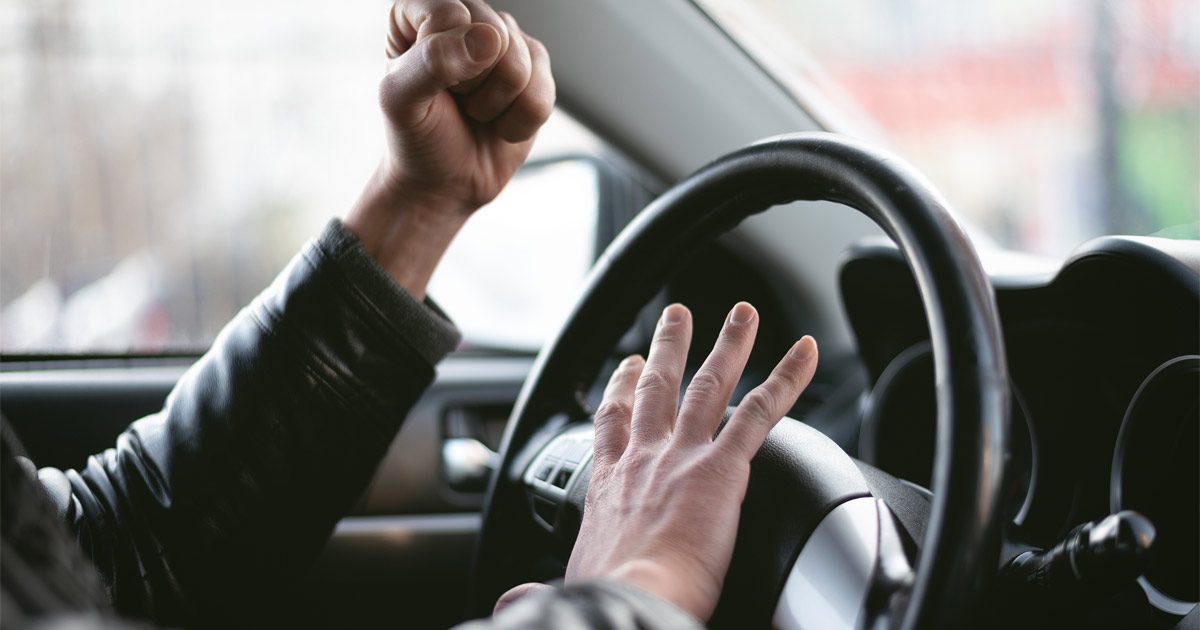
Yes, repeated honking or hostile gestures may qualify as aggressive driving when used to intimidate others. Although horns provide safety warnings, excessive or unnecessary use creates distraction and tension. Emotional reactions often follow, which shift the focus away from safe driving behavior and increase roadway risk.
Why Is Aggressive Driving Dangerous?
Aggressive driving combines speed, impatience, and unpredictable actions that reduce safety margins. Each risky decision limits reaction time while increasing crash severity. As drivers act impulsively instead of cautiously, surrounding traffic becomes less stable, which raises the likelihood of preventable collisions.
Hold Aggressive Drivers Accountable After a Serious Crash With Legal Help From Our Manasquan Car Accident Lawyers at Kitrick, McWeeney & Wells, LLC
If you were injured in a crash caused by an aggressive driver, contact our Manasquan car accident lawyers at Kitrick, McWeeney & Wells, LLC. For a free consultation, call us today at 732-920-8383 or contact us online. With office locations in Manasquan and Brick, New Jersey, we proudly serve clients throughout the state.