
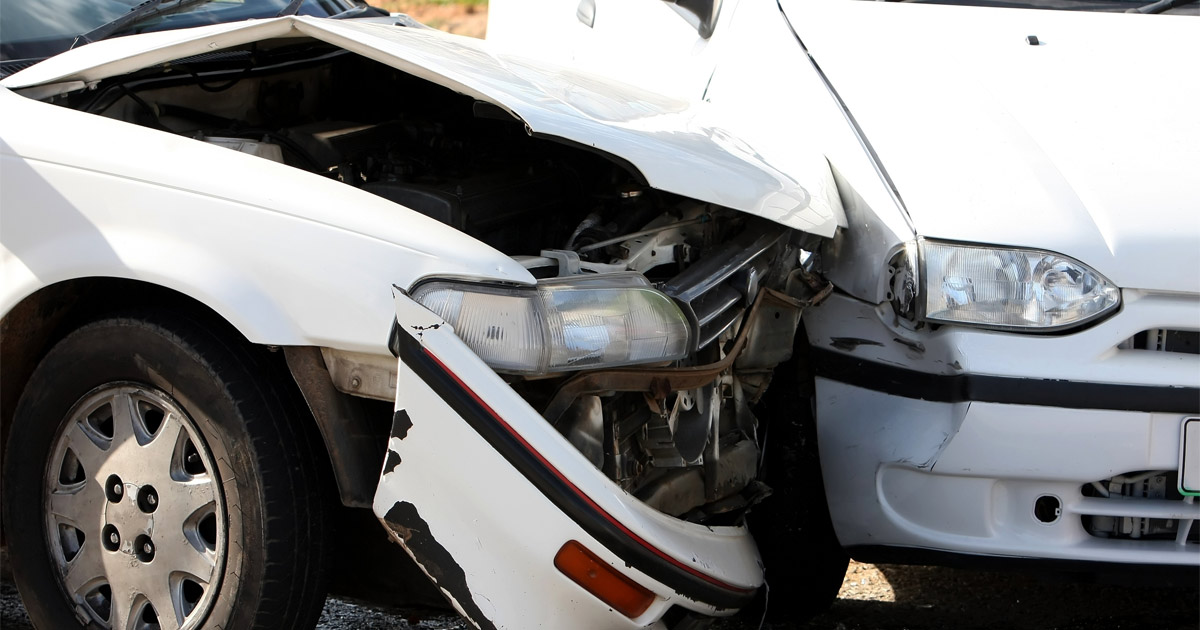
Failure-to-yield car accidents are a common and dangerous type of crash in communities like Brick, New Jersey. These collisions occur when a driver does not properly give the right of way to another vehicle, pedestrian, or cyclist as required by law. Because these crashes often happen at intersections, driveways, and merging points, they can result in serious injuries. Understanding who may be liable under New Jersey law can help injured individuals protect their rights.
What Is a Failure-to-Yield Accident?
A “failure-to-yield accident” happens when a driver does not allow another road user to proceed when legally required. Examples include ignoring yield signs, entering traffic without yielding, failing to allow pedestrians to cross, or merging unsafely onto highways.
New Jersey traffic laws are designed to promote predictable and safe travel by clearly defining right-of-way obligations. When drivers ignore these rules, preventable accidents often follow.
Why Do Failure-to-Yield Crashes Occur?
Distraction is a major cause of failure-to-yield crashes. Drivers focused on phones or in-car activities may miss signs, signals, or approaching vehicles. Speeding and aggressive driving also play a role. Drivers who rush may misjudge distances or assume other vehicles will slow down. Poor visibility due to weather or obstructed intersections can contribute as well, though limited visibility does not excuse failure to yield.
Who Is Usually at Fault?
In most cases, the driver who failed to yield is considered at fault. For example, drivers entering a main road from a side street must yield to traffic already traveling on that road. Drivers at yield signs must slow or stop to allow others to proceed safely.
Drivers are also required to yield to pedestrians in marked and unmarked crosswalks. Failing to do so can lead to serious injuries and increased liability.
Can More Than One Party Be Liable?
Yes. New Jersey follows a “modified comparative negligence” rule, allowing fault to be shared. If more than one driver contributed to the crash, each may be assigned a percentage of responsibility. As long as an injured party is not more than 50% at fault, they may still recover damages, though compensation is reduced by their percentage of fault.
What Evidence Helps Prove Liability?
“Liability” is often established through police reports, witness statements, photographs, and physical evidence from the crash scene. Traffic citations may support a claim, but are not determinative. Vehicle damage patterns, skid marks, and intersection layouts can help clarify who had the right of way at the time of the crash.
How Do Failure-to-Yield Accidents Affect Compensation?
Victims may seek compensation for medical expenses, lost income, property damage, and pain and suffering. Because these crashes frequently involve side impacts or pedestrian injuries, damages can be substantial.
How Does New Jersey Law Apply?
Failure to yield is considered negligent behavior under New Jersey law when it leads to an accident. Establishing negligence requires showing that a duty existed, it was breached, and damages resulted. Accurate fault determination is essential due to the state’s comparative negligence framework.
Get Liability Guidance From Our Brick Car Accident Lawyers at Kitrick, McWeeney & Wells, LLC
If you were injured in a failure-to-yield crash, our Brick car accident lawyers at Kitrick, McWeeney & Wells, LLC can help evaluate fault, gather evidence, and pursue compensation under New Jersey law while you focus on recovery. For a free consultation, call today at 732-920-8383 or contact us online. With office locations in Manasquan and Brick, New Jersey, we proudly serve clients throughout the state.